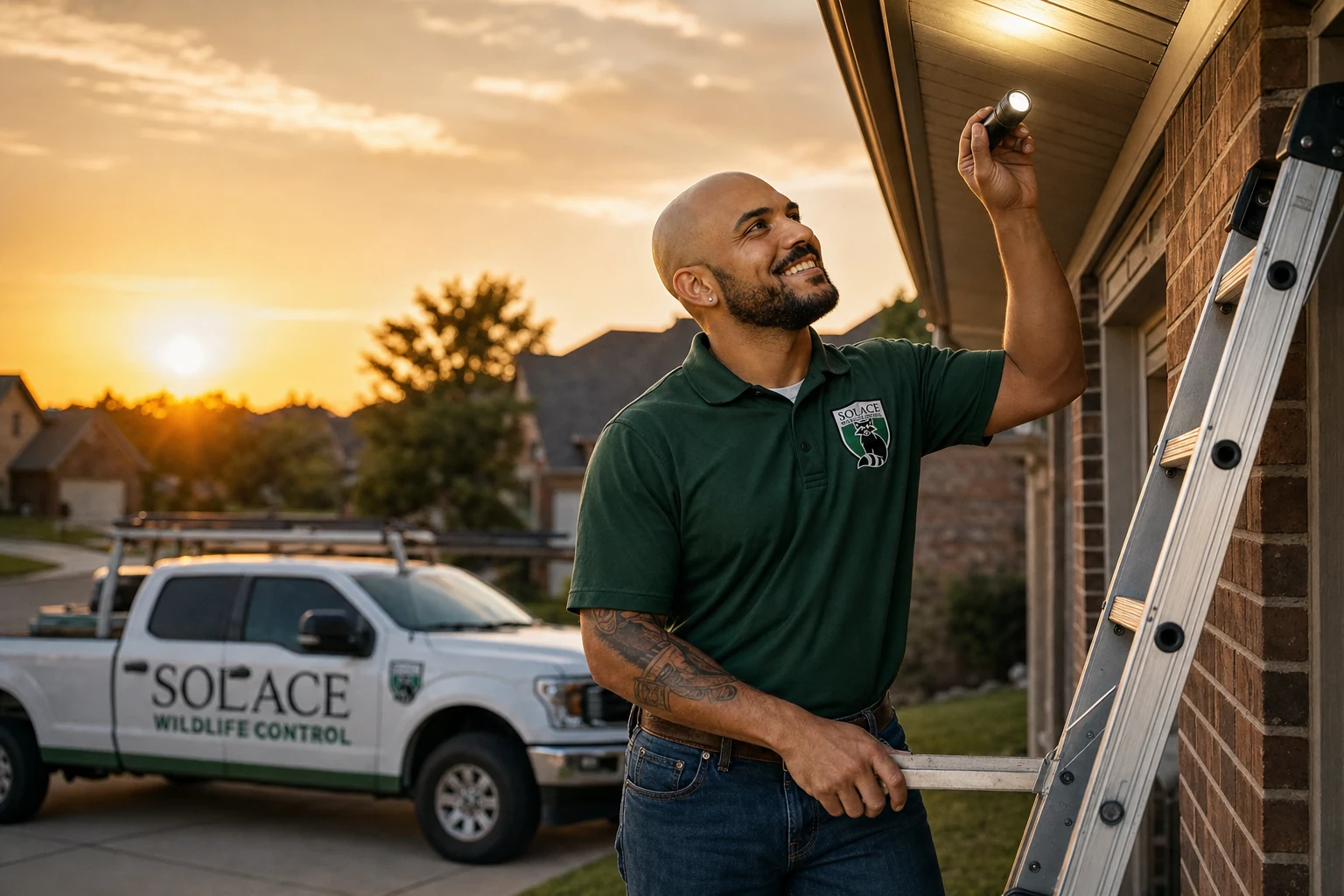
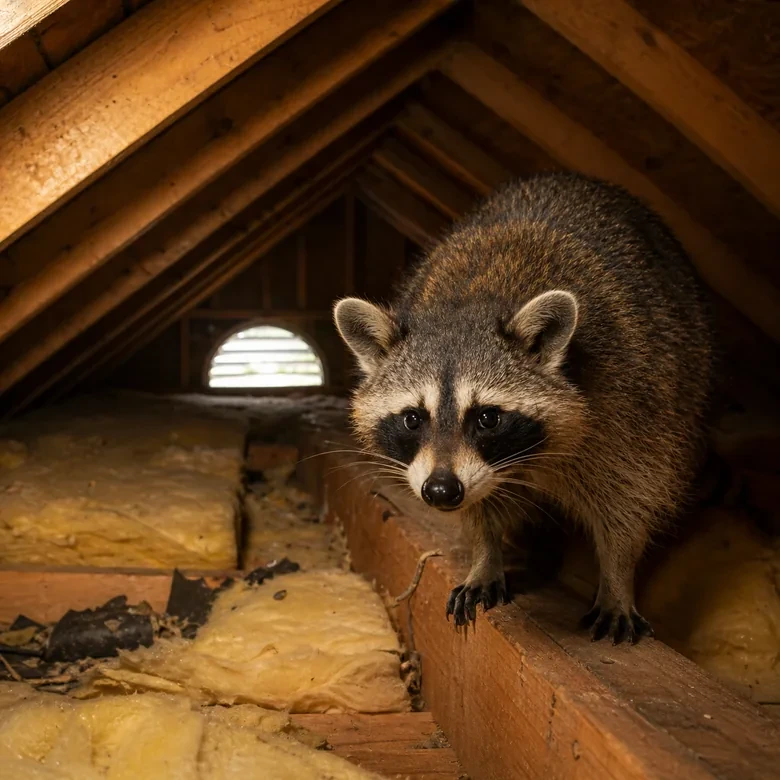
What was the website built to do?
Wildlife-control customers may arrive with an urgent and very specific problem. The site therefore needed to make service discovery faster than a generic “pest control” layout. Important wildlife issues and removal services are separated clearly so visitors can recognize their problem and move toward the next step.
Project priorities
- Clear wildlife and removal service categories
- Prominent phone and free-inspection actions
- Oklahoma City metro service context
- Trust content such as licensing, reviews, process and service-area information
- Mobile layouts that keep urgent actions easy to reach
How was the information architecture designed?
The website organizes removal, trapping, exclusion, repair and wildlife-specific content into understandable paths. That helps a customer who searches for a specific animal or problem land on information that matches the situation instead of forcing everyone through one broad page.
How does the site support local SEO?
The structure gives search systems clear service and location context through dedicated service content, internal links and Oklahoma City metro language used where it is relevant to customers. The goal is not to repeat keywords; it is to make the company’s actual services and geography unambiguous.
How does the site support conversions?
Phone calls and free-inspection actions stay prominent throughout the customer journey. Trust signals and process information appear before the visitor has to commit, helping reduce uncertainty about who performs the work and what happens next.
What does this project demonstrate?
This project shows how a local-service website can combine urgency, education and credibility without becoming cluttered. The visual system supports the wildlife-control category, while the page hierarchy is built around the decisions customers need to make.